
USD/JPY hovering in danger zone: Can Japan halt a Climb to 160?

USD/JPY is hovering in what traders now call the “danger zone” - the 155–160 range that has previously forced Japan’s hand. The pair is testing levels that, if breached, could compel Tokyo to intervene once again to defend the yen, according to analysts. For markets, this isn’t just a psychological threshold; it’s a line drawn by history. Every move closer to 160 revives memories of past interventions and speculation over how far Japan will let its currency weaken before stepping in.
Reports stated that at the heart of the tension is a growing divergence between Japan’s fiscal expansion and its cautious monetary stance. Prime Minister Sanae Takaichi’s ¥21.3 trillion (£112 billion) stimulus plan has pushed yields higher and weakened the yen further, just as the United States maintains high interest rates.
The question now is whether Japan can - or will - act in time to halt USD/JPY’s climb before it breaks through 160 and tests Tokyo’s resolve on the global stage.
What’s driving USD/JPY?
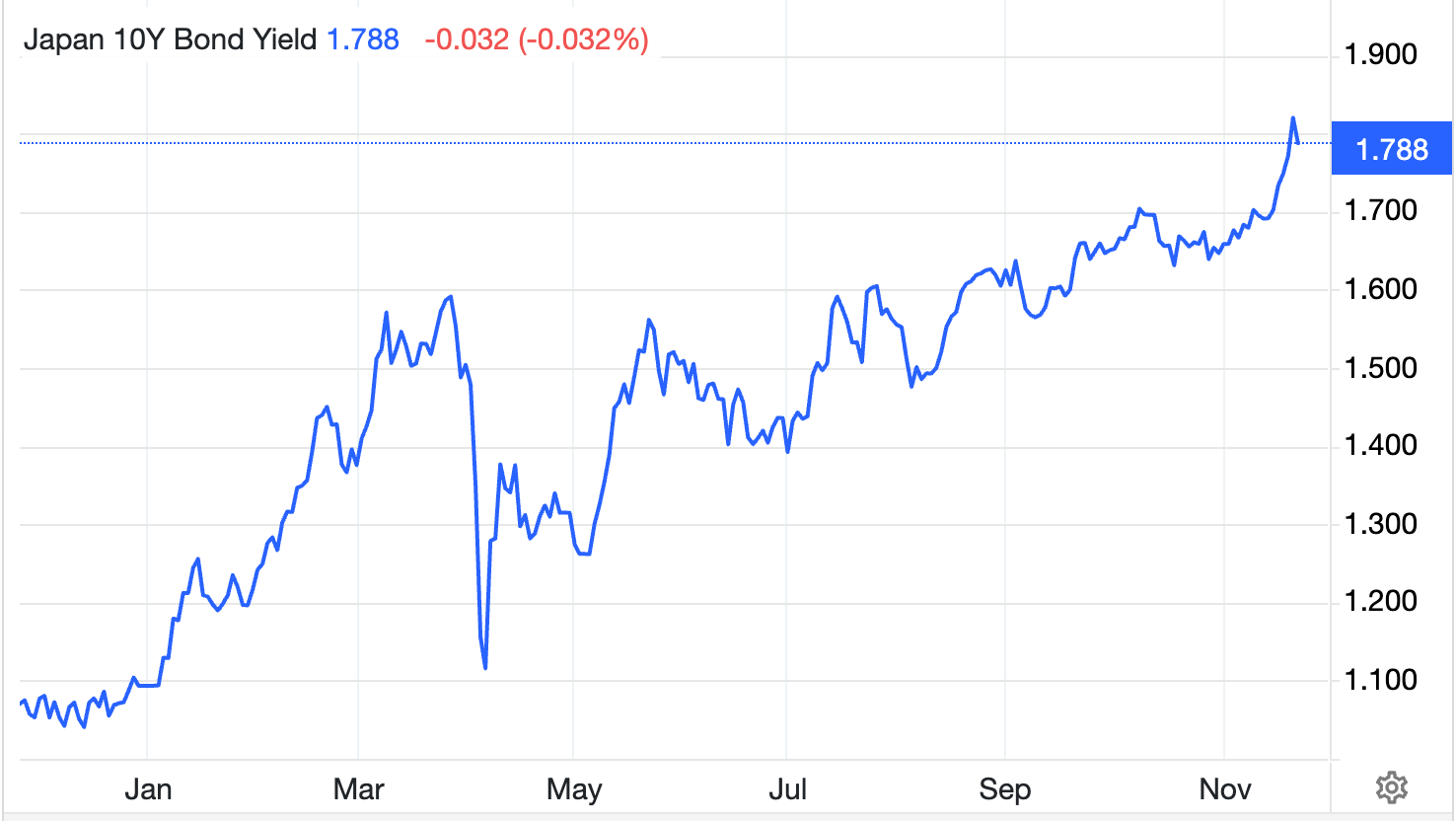
The yen’s latest decline is rooted in Japan’s widening policy gap with the United States. Takaichi’s stimulus, the largest since the pandemic, includes spending on energy relief, tax breaks, and cash handouts. It aims to ease cost-of-living pressures, yet investors view it as inflationary and fiscally reckless. Bloomberg reported that Japanese Government Bond (JGB) yields have surged to their highest since 2008 as debt worries deepen and confidence in long-term fiscal discipline wanes
The Bank of Japan’s cautious stance has only amplified the pressure. Governor Kazuo Ueda continues to argue that wage growth must stabilise before any major policy shift, even as inflation remains above the 2 per cent target.

In contrast, the Federal Reserve has kept US interest rates elevated and remains reluctant to cut quickly. That yield differential makes holding dollars more rewarding, sending capital flowing out of the yen and keeping USD/JPY pinned near multi-year highs.
Why it matters
Market watchers say the yen’s weakness cuts both ways. A softer currency benefits exporters such as Toyota and Sony, whose overseas earnings translate into higher profits. Yet for importers and households, the pain is immediate. Japan relies heavily on imported fuel and food, meaning each tick higher in USD/JPY makes everyday life more expensive. “Japan’s yen in real effective terms is almost as weak as the Turkish lira,” warned Robin Brooks of the Brookings Institution, describing the government’s fiscal stance as “denial on debt”.
Beyond Japan’s borders, the yen serves as a global barometer of risk sentiment. When it weakens sharply, it signals growing confidence in the dollar and emboldens carry-trade strategies funded in yen. But it also heightens the risk of abrupt reversals if Tokyo intervenes. Markets still recall the mid-year period, when Japan reportedly spent over $60 billion defending its currency after the USD/JPY briefly topped 160. That legacy makes every move within this band feel like a countdown.
Impact on markets and strategy
In bond markets, investors are demanding higher yields to offset fiscal risk, pushing ten-year JGB rates above 1 per cent and forty-year yields beyond 3.6 per cent. The rise reflects concern that Japan’s debt - already more than twice the size of its economy - will swell further under Takaichi’s pro-growth agenda.
Finance Minister Satsuki Katayama has already warned that the government “will act against disorderly moves,” a phrase traders now interpret as a veiled threat of intervention.
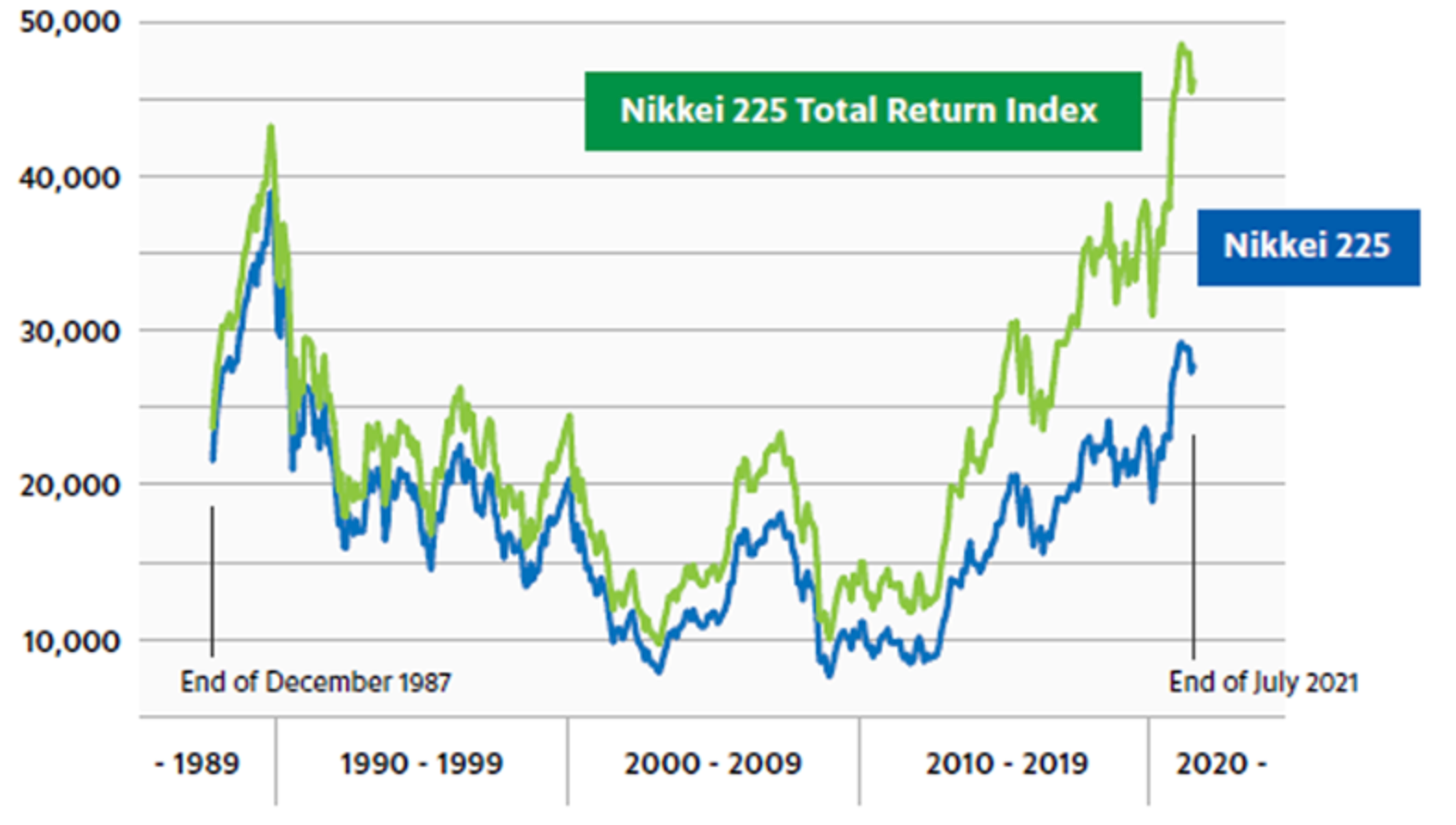
For equity investors, the weaker yen has delivered a short-term boost. The Nikkei 225 has climbed to its highest level in decades, supported by export-heavy stocks and overseas earnings windfalls.
Yet this comes at a cost: consumer confidence has declined, and inflation expectations are rising. Globally, the yen’s softness feeds risk appetite - fuel for equities and even crypto - but leaves markets vulnerable to a sharp correction if Tokyo or the BoJ suddenly shifts stance.
For retail traders, this volatility presents opportunity and risk in equal measure. With high volatility around key levels, disciplined position sizing and margin tracking become essential - tools like the Deriv calculator can help traders estimate pip values, contract sizes, and potential profit or loss before entering the market.
Expert outlook
Forecasts for USD/JPY hinge on timing. If the BoJ raises rates to 0.75 per cent in December, as a narrow majority of economists expect, the yen could stage a relief rally back towards 150.
However, if the central bank delays, and US data remain firm, traders may continue testing the upper bound of the range. “Sanae Takaichi’s Abenomics-style stimulus will expand global liquidity and strengthen the dollar - King Dollar is alive and well,” said James Thorne of Wellington Altus.
Much depends on whether the Fed shifts before the BoJ does. Futures markets currently price a 75.5% chance of a US rate cut in December.
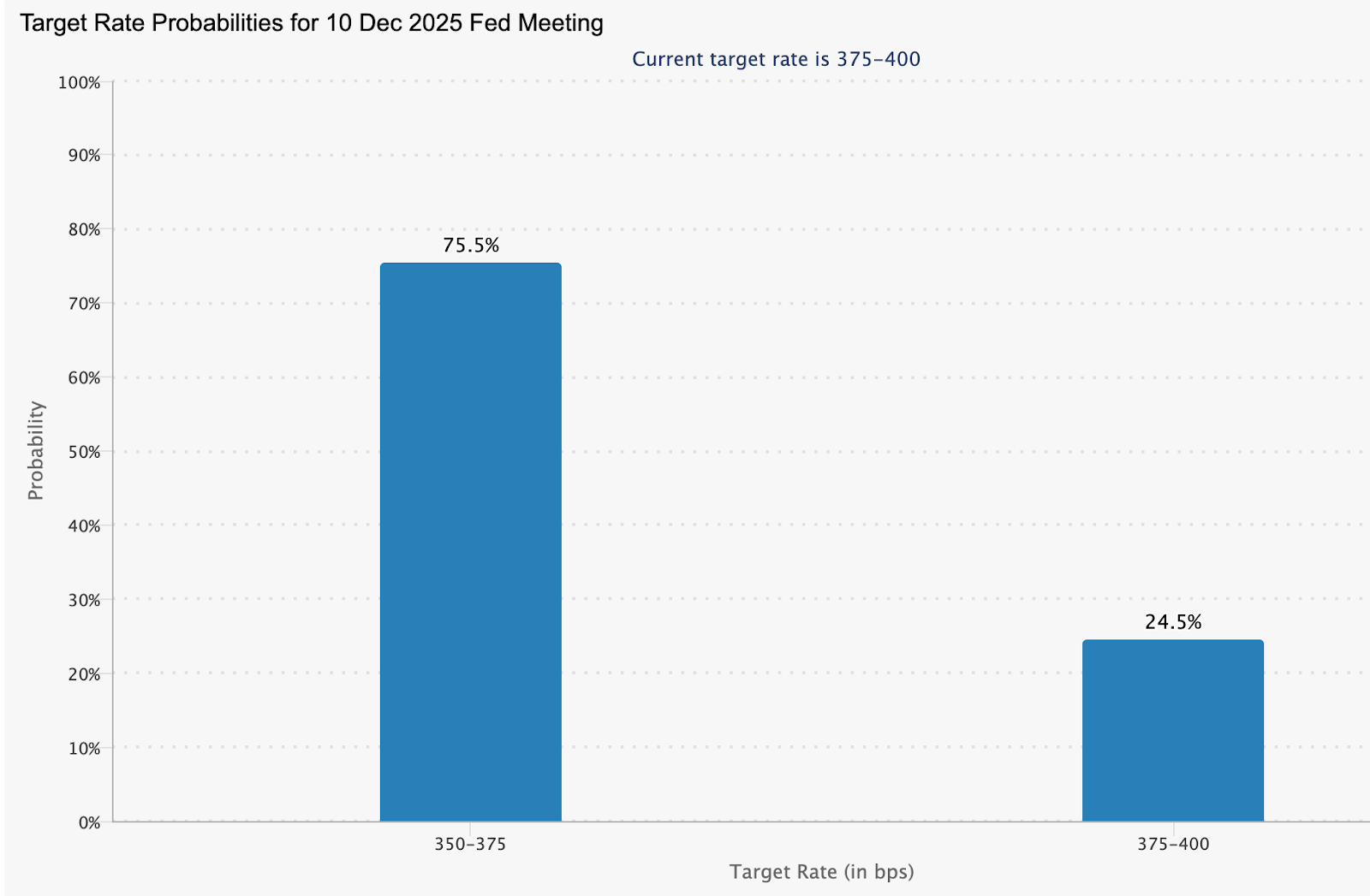
Analysts also added that a dovish Fed could narrow the yield gap and trigger yen buying. But absent that, Japan’s currency remains hostage to policy inertia and global sentiment. The longer USD/JPY stays near 160, the greater the pressure on Tokyo to prove it still commands the market’s respect.
USD/JPY technical insights
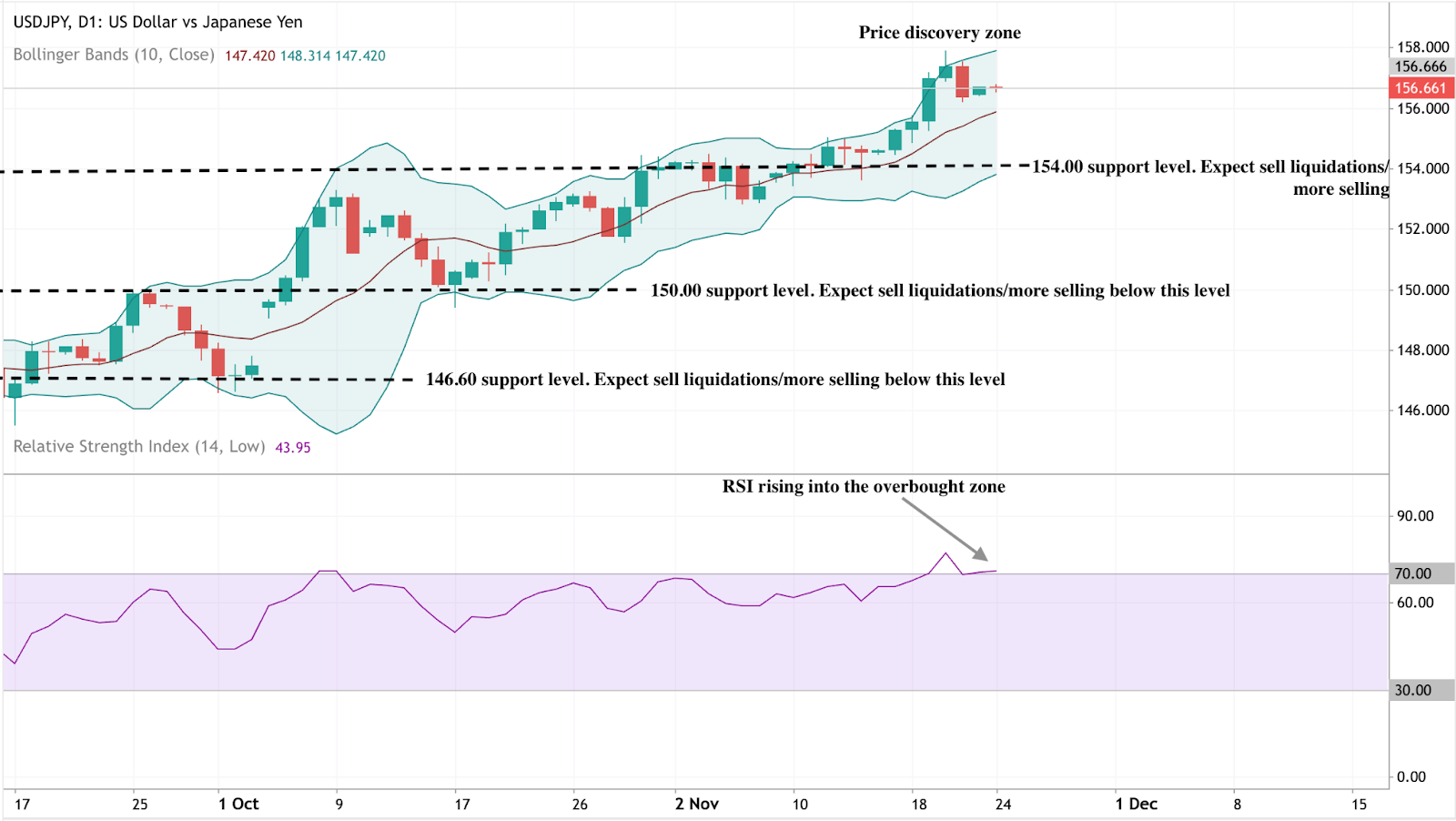
At the time of writing, USD/JPY is trading near 156.66, consolidating within a price discovery zone after an extended bullish run. The Bollinger Bands (10, close) are widening, showing heightened volatility and a continuation bias as price action remains close to the upper band — a sign of strong bullish momentum but also increased risk of short-term exhaustion.
Key support zones sit at 154.00, 150.00, and 146.60, where a break below each could trigger sell liquidations and deeper corrections. On the upside, price discovery above 156.00 leaves limited resistance, meaning the next pullbacks may attract dip buyers unless volatility spikes.
The RSI (14) is climbing into the overbought zone, suggesting bullish strength may be nearing its peak. If the RSI sustains a reading above 70, momentum could extend higher; however, any reversal below this level might indicate profit-taking or early selling pressure ahead.
Key takeaway
According to analysts, USD/JPY’s return to the 155–160 corridor is more than a chart pattern; it is a referendum on Japan’s policy mix. Fiscal expansion without matching monetary adjustment has left the yen vulnerable and investors sceptical. Intervention may stabilise markets briefly, but only decisive tightening or fiscal restraint will restore confidence. Until then, the pair sits squarely in the danger zone - where every move higher tests not just Tokyo’s tolerance, but the world’s faith in Japan’s ability to control its own currency.
The performance figures quoted are not a guarantee of future performance.
The future performance figures quoted are only estimates and may not be a reliable indicator of future performance.


