
Bitcoin හි තීරුබදු කම්පනය: මෙය පසුබෑමක්ද නැතහොත් ප්රවණතා වෙනසක්ද?
.jpeg)
Bitcoin හි තීරුබදු කම්පනය උත්සන්න වී ඇති අතර, මෙම චලනයට හේතුව පිළිබඳ ප්රශ්නය තීව්ර කර ඇත. භූ දේශපාලනික කම්පනයක් ලෙස ආරම්භ වූ දෙය දැන් පූර්ණ leverage ඉවත් කිරීමක් බවට පත්ව ඇත. බදාදා, Bitcoin 4% කින් පහත වැටී ඩොලර් 88,000 පමණ අගයකට පැමිණි අතර, කොටස්, බැඳුම්කර සහ මුදල් ඒකක හරහා අවදානම් මග හැරීම පැතිරීමත් සමඟ පාඩු තවදුරටත් වැඩි විය. පැය 24 ක් තුළ, මුළු crypto ද්රවකරණයන් (liquidations) ඩොලර් බිලියන 1.07 ඉක්මවා ගිය අතර, වෙළඳපල හැඟීම් කොතරම් ඉක්මනින් වෙනස් වී ඇත්ද යන්න එයින් පෙන්නුම් කරයි.
ආයෝජකයින් US අවදානම් නිරාවරණයෙන් ඉවත් වීමත් සමඟ මෙම නවතම පහත වැටීම සිදුවිය. Gold නව වාර්තාගත ඉහළ අගයන් කරා ඉහළ ගිය අතර, ඩොලර් අගය දුර්වල විය, සහ Wall Street මාස ගණනාවකට පසු එහි දරුණුතම පහත වැටීමට මුහුණ දුන්නේය. එම පසුබිම තුළ, Bitcoin තවදුරටත් තීරුබදු වලට ප්රතිචාර දක්වන්නේ පමණක් නොවේ - එය පුළුල් සාර්ව ආර්ථික (macro) යළි පිහිටුවීමක කොටසක් ලෙස පීඩන පරීක්ෂාවට ලක් වෙමින් පවතී.
Bitcoin හි චලනයන් මෙහෙයවන්නේ කුමක්ද?
ක්ෂණික ප්රේරකය ලෙස පවතින්නේ ජනාධිපති Donald Trump විසින් යුරෝපීය ජාතීන් අටකට එරෙහිව එල්ල කරන ලද තීරුබදු තර්ජනයයි. මෙය US විසින් ග්රීන්ලන්තය (Greenland) හි පාලනය ලබා ගත යුතු බවට ඔහු කරන බල කිරීම හා බැඳී පවතී. Trump මෙම සතියේදී සිය ස්ථාවරය දැඩි කරමින් ප්රකාශ කළේ උපායමාර්ගය සම්බන්ධයෙන් "ආපසු හැරීමක් නොමැති" බවයි, එය පුළුල් වන වෙළඳ යුද්ධයක් පිළිබඳ බිය නැවත ඇති කළේය. දැනටමත් අස්ථාවර වී ඇති වෙළඳපල, අවදානම් වත්කම් හරහා නිරාවරණය අඩු කරමින් ඊට ප්රතිචාර දැක්වීය.
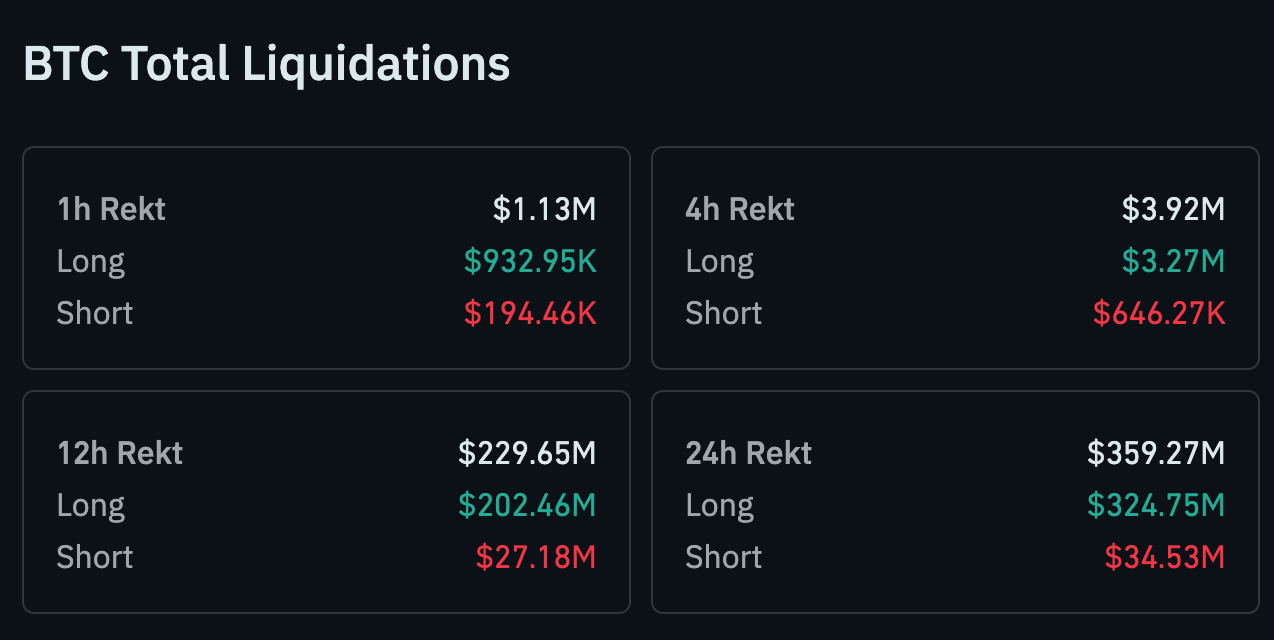
Crypto තුළ, leverage දුර්වල ස්ථානය බවට පත් විය. CoinGlass දත්ත පෙන්වා දෙන්නේ පසුගිය පැය 24 තුළ Bitcoin ඩොලර් මිලියන 359.27 ක් ද්රවකරණය (liquidated) වී ඇති බවයි. Long positions මගින් හානියෙන් වැඩි ප්රමාණයක් අවශෝෂණය කර ගත් අතර, ඩොලර් මිලියන 324.74 ක් අතුගා දැමූ අතර, ඊට සාපේක්ෂව shorts හි අතුගා දැමීම ඩොලර් මිලියන 34.53 ක් පමණි.
එය වැදගත් වන්නේ ඇයි
Bitcoin ඩොලර් 88,000 දක්වා පහත වැටීම වෙළඳුන් සඳහා තීරණාත්මක යථාර්ථයක් තහවුරු කරයි: සාර්ව ආර්ථික (macro) පීඩන කාලවලදී, crypto ගෝලීය අවදානම් හැඟීම් සමඟ තදින් බැඳී පවතී. US කොටස් වෙළඳපල තියුනු ලෙස විකිණී යාම සහ ඩොලර් අගය දුර්වල වීමත් සමඟ, Bitcoin වෙන්වී ක්රියා කරනවා වෙනුවට එම "risk-off" ආවේගයම අනුගමනය කළේය. දිගුකාලීන සහසම්බන්ධතා විවාදාත්මකව පැවතුනද, කෙටි කාලීනව මෙය හෙජ් (hedge) ආඛ්යානයට අභියෝග කරයි.
පුළුල් සන්දර්භය වැදගත් වේ. Wall Street සතියේ දරුණුතම පහරට ලක් වූ අතර, S&P 500 2.06% කින් පහත වැටුණු අතර Nasdaq 2.4% කින් පහත වැටුණි, ඉන්පසු futures මධ්යස්ථව ස්ථාවර විය. කොටස්, ණය සහ මුදල් ඒකක සියල්ල එකවර පීඩනයට ලක් වූ විට, leveraged වත්කම් පළමුව පීඩාවට පත්වන ප්රවණතාවක් ඇත - සහ Bitcoin නැවත වරක් එම high-beta කාණ්ඩයේ කොටසක් ලෙස සැලකේ.
Crypto වෙළඳපල සහ වෙළඳුන් කෙරෙහි බලපෑම
ගැඹුරු විකිණී යාම ජනවාරි මස මුලදී ගොඩනඟා ගත් විශ්වාසය මකා දැමීය, එවිට ETF ගලා ඒම Bitcoin ඩොලර් 98,000 ආසන්නයට තල්ලු කිරීමට උපකාරී විය. ඒ වෙනුවට, අවධානය ප්රාග්ධන සංරක්ෂණය වෙත යොමු වී ඇත. Ether, Bitcoin සමඟම පහත වැටුණු අතර, altcoins සාපේක්ෂව කුඩා ද්රවකරණ පරිමාවක් දුටුවේය, එය විශාලතම ටෝකන තුළ වඩ වඩාත් සංකේන්ද්රණය වී ඇති ස්ථානගත කිරීම් පිළිබිඹු කරයි.
ඒ අතරම, බලහත්කාරයෙන් deleveraging කිරීම සමහර දිගුකාලීන වැඩ කටයුතු සිදු කරමින් පවතී. CryptoQuant හි විශ්ලේෂකයින් මීට පෙර සටහන් කර ඇත්තේ ආක්රමණශීලී ද්රවකරණයන් බොහෝ විට දුර්වල ස්ථානගත කිරීම් ඉවත් කරන බවත්, පසුව සිදුවන විකිණී යාමේ අවදානම අඩු කරන බවත්ය. සාර්ව ආර්ථික පීඩනය ස්ථාවර වුවහොත්, අඩු leverage සහිත වෙළඳපලක් වඩාත් ස්ථිර පදනමක් සැපයිය හැකිය - නමුත් නුදුරු කාලීන volatility ඉහළ මට්ටමක පවතී.
"Sell America" වෙළඳාම ගොඩනැගෙද්දී Gold ඉහළ යයි
Crypto අරගල කරන අතරතුර, සාම්ප්රදායික ආරක්ෂිත වත්කම් ඉහළ ගියේය. ආයෝජකයින් ආරක්ෂාව වෙත යොමු වීමත් සමඟ Spot gold පළමු වරට අවුන්සයකට ඩොලර් 4,800 පසු කළ අතර රිදී (silver) ද වාර්තාගත ඉහළ අගයන් කරා ළඟා විය. සමහර උපායමාර්ගිකයින් විසින් මෙම පියවර වර්ධනය වන "Sell America" වෙළඳාමක් ලෙස හඳුන්වා දී ඇති අතර, එය පහත වැටෙන කොටස්, දුර්වල ඩොලරය සහ ඉහළ යන රන් මගින් සලකුණු කෙරේ.
වෙළඳ ආතතීන් එම ආඛ්යානයේ කේන්ද්රයේ පවතී. යුරෝපීය ප්රතිපත්ති සම්පාදකයින් ඔවුන්ගේ ප්රතිචාරය සූදානම් කරමින් සිටින අතර, EU බ්රසල්ස් හි හදිසි සමුළුවක් පැවැත්වීමට නියමිතව ඇති අතර US ආනයන මත යුරෝ බිලියන 93 (ඩොලර් බිලියන 109) වටිනා පළිගැනීමේ තීරුබදු පැනවීමට සලකා බලයි. මෙවැනි ක්රියාවන් උත්සන්න වීමේ අපේක්ෂාව Bitcoin ඇතුළු අවදානම් වත්කම් සඳහා අවිනිශ්චිතතාවයේ තවත් ස්ථරයක් එක් කරයි.
විශේෂඥ දැක්ම
තාක්ෂණික දෘෂ්ටි කෝණයකින් බලන කල, Bitcoin පීඩනයට ලක්ව ඇතත් තවම බිඳ වැටී නොමැත. ඩොලර් 90,000 ආසන්නයේ පැවති පෙර සහාය (support) දැන් පරීක්ෂාවට ලක් වෙමින් පවතින අතර, එම මට්ටමට වඩා පහළින් පවතින අඛණ්ඩ දුර්වලතාවය ගැඹුරු නිවැරදි කිරීමේ අදියරක් සඳහා වන කාරණය ශක්තිමත් කරනු ඇත. කෙසේ වෙතත්, සමහර විශ්ලේෂකයින් ප්රවණතා වෙනසක් ඉක්මනින් උපකල්පනය කිරීමට එරෙහිව අනතුරු අඟවයි.
Crypto බදු වේදිකාවක් වන Koinly හි ප්රධාන විධායක නිලධාරී Robin Singh සඳහන් කරන්නේ පෙබරවාරි ඓතිහාසිකව Bitcoin හි ප්රබලතම මාසවලින් එකක් වී ඇති අතර, පසුගිය දශකය තුළ සාමාන්යයෙන් ඉලක්කම් දෙකේ ප්රතිලාභ ලබා දී ඇති බවයි. "නමුත් අඩු කාර්ය සාධනය පුදුමයට කරුණක් නොවනු ඇත, එය අනිවාර්යයෙන්ම නරක දෙයක් නොවේ," ඔහු පැවසුවේ, ඒකාබද්ධ කිරීම (consolidation) පුළුල් චක්රය පීලි පැනීමට වඩා අපේක්ෂාවන් යළි පිහිටුවිය හැකි බව යෝජනා කරමිනි.
ප්රධාන කරුණු
Bitcoin හි තීරුබදු කම්පනය උත්සන්න වී ඇති අතර, leverage ඉවත් වීම සහ සාර්ව ආර්ථික පීඩනය පැතිරීමත් සමඟ මිල ගණන් ඩොලර් 88,000 දක්වා පහත වැටී ඇත. දැනට, මෙම පියවර crypto-විශේෂිත දුර්වලතාවයට වඩා භූ දේශපාලනය සහ ගෝලීය අවදානම් මග හැරීම මගින් මෙහෙයවනු ලබන බව පෙනේ. Gold ඉහළ යාම සහ වෙළඳ ආතතීන් උත්සන්න වීමත් සමඟ, Bitcoin පුළුල් වෙළඳපල යළි පිහිටුවීමක හරස් ප්රවාහයන්ට හසු වී ඇත. මෙය ගැඹුරු ප්රවණතා වෙනසක් ද නැතහොත් වේදනාකාරී පසුබෑමක් ද යන්න සාර්ව ආර්ථික අවිනිශ්චිතතාවය කොතරම් ඉක්මනින් ලිහිල් වීමට පටන් ගනීද යන්න මත රඳා පවතී.
Bitcoin තාක්ෂණික දැක්ම
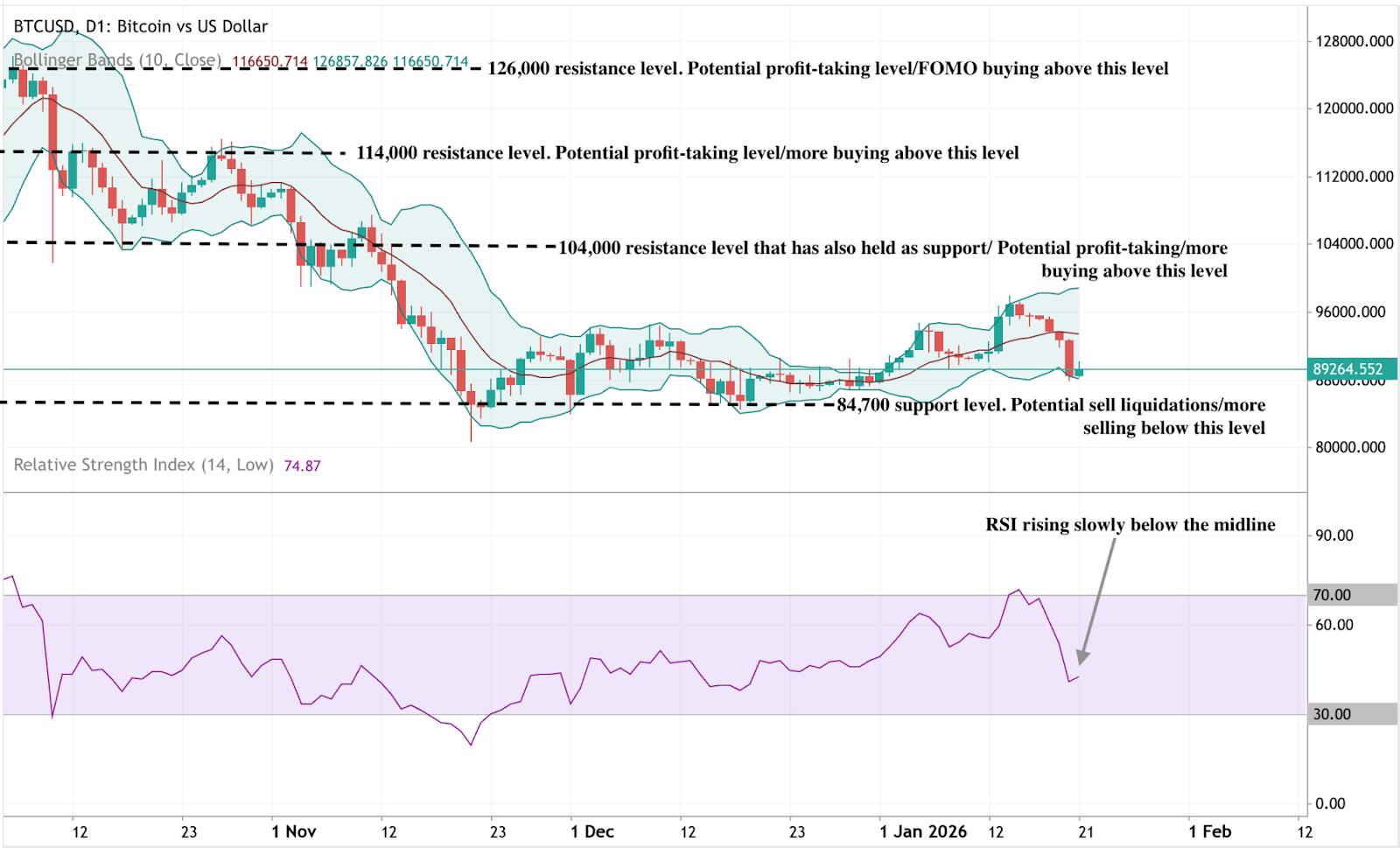
මෑත කාලීන ඉහළ අගයන්ගෙන් තියුනු පසුබෑමෙන් පසු Bitcoin ඒකාබද්ධ (consolidating) වෙමින් පවතින අතර, මිල නිර්වචනය කළ පරාසයක් තුළ පවතින අතර ඩොලර් 84,700 ප්රදේශයට ඉහළින් පවතී. Bollinger Bands පෙර පුළුල් වීමේ කාල පරිච්ඡේදයකින් පසු පටු වී ඇති අතර, දිශානුගත ගම්යතාවය මන්දගාමී වී ඇති බැවින් volatility හි සංකෝචනයක් පෙන්නුම් කරයි.
ගම්යතා දර්ශක මෙම ස්ථාවර වීමේ අදියර පිළිබිඹු කරයි: RSI ක්රමයෙන් ඉහළ යමින් පවතින නමුත් මධ්ය රේඛාවට පහළින් පවතී, එය පෙර ශක්තියට තවමත් පැමිණ නොමැති යථා තත්ත්වයට පත්වන ගම්යතාවයක් සංඥා කරයි. ව්යුහාත්මකව, වෙළඳපල ඩොලර් 104,000 සහ ඩොලර් 114,000 අවට ඇති පැරණි ප්රතිරෝධක කලාපවලට පහළින් සීමා වී ඇති අතර, වත්මන් මිල හැසිරීම ක්රියාකාරී මිල සොයා ගැනීමට වඩා සමතුලිතතාවය සහ ඒකාබද්ධ කිරීම යෝජනා කරයි.
Deriv Blog හි අඩංගු තොරතුරු අධ්යාපනික අරමුණු සඳහා පමණක් වන අතර මූල්ය හෝ ආයෝජන උපදෙස් ලෙස අදහස් නොකෙරේ. තොරතුරු යල් පැන ගිය හැකි අතර, සඳහන් කර ඇති සමහර නිෂ්පාදන හෝ වේදිකා තවදුරටත් ලබා නොදිය හැකිය. ඕනෑම වෙළඳ තීරණයක් ගැනීමට පෙර ඔබේම පර්යේෂණයක් කිරීමට අපි නිර්දේශ කරමු.


